Hot Takes
My interview with Jamie Joss helped me see that working in sports management involves much more than what happens on the field. From supporting scholar-athletes to making tough decisions, his experiences gave me a better understanding of what it takes to lead an athletic department. Here are my biggest takeaways from our conversation and how I can apply these lessons to my own future in sports.

Leadership Is more than managing a team
One of the most important things I've learned while working with Jamie through this project is that leadership is more than just managing a team. Being an athletic director requires you do so much more than managing athletic it requires you to do manage team budgets, support student athletes, and make critical decision that don't just affect the athletic teams, but the whole atheltic department as a whole. This has taught how you need to be a good leader in a role like this you need to be able to take responsibility and make diffcult decisions that support your atheltes and university as a whole.
The Business Side of College Sports
Another really important thing I've learned from Jamie throughout working on this project was how vital the business side of sports is to a intercollegiate sports. People who are athletic directors like Jamie are in charge of more than just overseeing sports teams sports; they also manage millions of dollars in budgeting helping raising money through fundraising ,and make vital financial decisions that support their programs, such as improving athletic facilities and providing scholarship for student athletes. This has shown me that having a strong understanding of business and financial managment is important as it can have crucial impact on your atheltic department.
Support for student athletes goes beyond sports
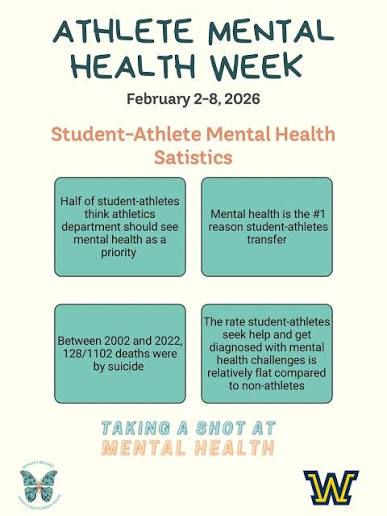
While interviewing Jamie, he gave one of the most valuable pieces of advice if you ever want to work as an AD or someone in sports is that support you give for athletes must go beyond sports. I learned from Jamie that athletic directors need to make sure that their student athletes have the resources and materials to succeed whether it be through academic support, mental health counseling and service, and personal development programs. This has taught me that being successful athletic director isn't just about making sure your athletic teams win or bring in revenue, but you make a positive impact on student-athletes lives outside of athletics.
Career Paths are not always straightforward
One of the biggest lessons I learned from Jamie's career journey is that working in sports management doesn't always mean following a straight path to success. Jamie shared with me during the interview that there was many times during his search for an AD position where he question if he get an opportunity, but he remained persistent, continued networking and kept applying until he eventually became Warner Pacific College AD. This taught me to never bee discouraged when looking for a job and to keep networking and applying for positions as you never what opportunities because you never know what doors might open if you continue trying.
The Future of College athletics
One of the final things I learned from interviewing Jamie is that the world of college athletics is constantly changing, and people working in sports management need to be prepared to adapt to those changes. With new developments in college sports, athletic directors have to make important decisions about how to manage their programs while continuing to support their student-athletes and universities. This taught me that if I ever want to pursue a career in the sports industry, I need to be open to change, continue learning, and be willing to adapt to new challenges and opportunities.